Guinea Pig Supplies Worth Buying vs Waste of Money: An Honest Review

- The Essential Starter Kit Trap
- Cages: What Actually Works
- The Water Bottle Debate
- Hideouts: Skip the Plastic Igloos
Plastic igloo hideouts are popular because they are cheap and easy to clean. I bought several and stopped using them within a month. They retain heat and moisture, creating a humid environment inside that promotes respiratory problems. The smooth plastic also does not let guinea pigs grip with their feet, which they instinctively need to feel secure.
Fleece hideaways are better. They are cozy, washable, and let guinea pigs burrow and nest. You can make them yourself with fleece and cotton batting for under five dollars each, or buy them from guinea pig supply shops for about ten to fifteen dollars.
Wooden hideouts work well too, especially for guinea pigs that like to chew. Make sure any wood is untreated and non-toxic. Apple wood and willow are safe options that satisfy chewing instincts while providing a sturdy hiding spot.
Bedding: Where Your Money Goes
- Food Bowls: Heavy Is Better
- Hay Holders: Worth the Investment
- Toys: Less Is More
- The Bottom Line
I have spent more money than I care to admit on guinea pig supplies that turned out to be useless, dangerous, or just plain dumb. Walking through a pet store is like entering a marketing machine designed to separate you from your cash while providing nothing useful for your actual pets. Here is my guide to the supplies that are worth your money and the ones you should leave on the shelf.
The Essential Starter Kit Trap
Every pet store sells guinea pig starter kits that seem like incredible value. Everything you need in one package for a low price! Do not be fooled. These kits almost always include tiny cages, low-quality food that is mostly filler, small water bottles, and hideouts that fall apart within a week. I bought three of these before I understood why they were so cheap.
The cage in a starter kit is usually marketed for hamsters or small animals and is not nearly big enough for even one guinea pig. The food often contains seeds, nuts, and colorful pellets that guinea pigs cannot digest properly. The hideout is typically plastic that harbors bacteria and leaches chemicals. Throw the entire starter kit in the trash and build your own setup.
What you actually need to start is a properly sized cage, unlimited timothy hay, quality pellets without seeds or colored pieces, a water bottle, heavy ceramic food bowl, and at least one hideout. Everything else can wait until you have the basics covered.
Cages: What Actually Works
After trying commercial cages, DIY wooden enclosures, and multiple C&C configurations, I am convinced that C&C cages are the best option for most people. They are customizable to any size, provide excellent ventilation, and cost less than comparably sized commercial cages.
A typical starter C&C setup costs about sixty to eighty dollars for the grids and coroplast. Add fleece liners or paper bedding, and you have a complete habitat that will last for years. The grids are sturdy, the coroplast is easy to clean, and you can expand the cage easily if you add more guinea pigs later.
If you absolutely must buy a commercial cage, look for the largest single-level habitat you can find. Avoid anything with tubes, multiple levels, or wire floors. Midwest makes a decent guinea pig plus habitat that is one of the few commercial options that actually meets minimum space requirements.
The Water Bottle Debate
Glass water bottles with stainless steel sipper tubes are my clear winner over plastic alternatives. Glass does not scratch or harbor bacteria the way plastic does, and the stainless steel tubes are durable and easy to clean. A good glass bottle costs fifteen to twenty dollars and will last for years.
Plastic bottles are cheaper, but they scratch easily, which creates hiding spots for bacteria. They also crack and leak more often. I went through three plastic bottles in my first year before switching to glass. The extra upfront cost is worth not having to replace bottles every few months.
Bottle size matters too. Get at least a sixteen-ounce bottle so you only need to refill once daily. In hot weather, guinea pigs drink significantly more, so having extra capacity prevents running dry between refills.
Hideouts: Skip the Plastic Igloos
Plastic igloo hideouts are popular because they are cheap and easy to clean. I bought several and stopped using them within a month. They retain heat and moisture, creating a humid environment inside that promotes respiratory problems. The smooth plastic also does not let guinea pigs grip with their feet, which they instinctively need to feel secure.
Fleece hideaways are better. They are cozy, washable, and let guinea pigs burrow and nest. You can make them yourself with fleece and cotton batting for under five dollars each, or buy them from guinea pig supply shops for about ten to fifteen dollars.
Wooden hideouts work well too, especially for guinea pigs that like to chew. Make sure any wood is untreated and non-toxic. Apple wood and willow are safe options that satisfy chewing instincts while providing a sturdy hiding spot.
Bedding: Where Your Money Goes
There are two main bedding strategies that work well: disposable and reusable.
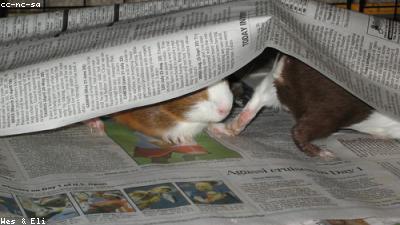
For disposable bedding, paper-based products like Carefresh or Yesterday News are safe and absorbent. Avoid anything scented or with added dyes. Aspen shavings are also safe, though they track more easily than paper products. Do not use cedar or pine shavings under any circumstances.
For reusable bedding, fleece liners are incredibly cost-effective despite the higher initial investment. Buy quality fleece that wicks moisture properly, layer it with u-haul pads or towels underneath for absorption, and wash every few days. One set of fleece liners can last years with proper care, making them far cheaper than constantly buying disposable bedding.
I use fleece liners exclusively now. The upfront cost of about fifty dollars for two complete sets was recovered within three months compared to buying paper bedding. Plus, my guinea pig room smells much better because I wash the fleece frequently with fragrance-free detergent.
Food Bowls: Heavy Is Better
Guinea pigs walk through their food, dig in it, and occasionally flip bowls over. A heavy ceramic bowl will not tip when your guinea pig decides to reorganize their living space. Plastic bowls are useless because they get knocked over constantly, scatter food everywhere, and become impossible to keep clean.
I recommend small dog or cat food bowls, which are the right size and nearly impossible to tip. They cost about three to five dollars at any discount store. Clean them daily and sanitize weekly to prevent bacterial growth.
Hay Holders: Worth the Investment
Hay holders keep timothy hay off the floor and prevent it from getting soiled with droppings and urine. Guinea pigs will not eat dirty hay, so keeping it clean reduces waste dramatically.
Metal hay racks that attach to the cage wall work well but can sometimes catch small feet or noses. Jute or mesh hay bags are safer and let guinea pigs pull hay through the holes. I prefer hay bags because they also encourage natural foraging behavior as guinea pigs work to pull hay out.
Whatever you choose, make sure your hay holder is positioned low enough that guinea pigs can reach all the hay without standing on hind legs. Standing on hind legs while stretched up is uncomfortable and can cause back problems over time.
Toys: Less Is More
Guinea pigs do not need elaborate toys. A few simple items will keep them entertained without breaking the bank. Apple wood sticks for chewing, willow balls, and cardboard tubes stuffed with hay are all they need.
Avoid anything with bells or small parts that can be swallowed. Toys with mirrors are useless because guinea pigs do not recognize themselves and will not interact with reflections. Commercially sold guinea pig toys are mostly marketing gimmicks that your pets will ignore.
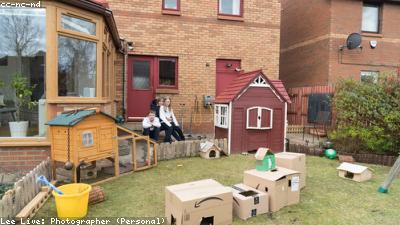
I make my own enrichment by putting vegetables inside paper bags or cardboard tubes, hiding treats under fleece pieces, and building obstacle courses with cardboard boxes. This costs nothing and provides more entertainment than anything I have ever bought.
The Bottom Line
Spend your money on the cage, bedding system, and hay. Everything else is secondary. A huge cage with simple fleece liners and unlimited hay will make your guinea pigs healthier and happier than a tiny cage full of expensive toys and gadgets.
Start with the basics and add supplies gradually as you learn what your guinea pigs actually use and enjoy. Most of the fancy products at the pet store will end up in storage or the trash. The simple, proven essentials are all you really need.
- The Essential Starter Kit Trap
- Cages: What Actually Works
- The Water Bottle Debate
- Hideouts: Skip the Plastic Igloos
Plastic igloo hideouts are popular because they are cheap and easy to clean. I bought several and stopped using them within a month. They retain heat and moisture, creating a humid environment inside that promotes respiratory problems. The smooth plastic also does not let guinea pigs grip with their feet, which they instinctively need to feel secure.
Fleece hideaways are better. They are cozy, washable, and let guinea pigs burrow and nest. You can make them yourself with fleece and cotton batting for under five dollars each, or buy them from guinea pig supply shops for about ten to fifteen dollars.
Wooden hideouts work well too, especially for guinea pigs that like to chew. Make sure any wood is untreated and non-toxic. Apple wood and willow are safe options that satisfy chewing instincts while providing a sturdy hiding spot.
Bedding: Where Your Money Goes
- Food Bowls: Heavy Is Better
- Hay Holders: Worth the Investment
- Toys: Less Is More
- The Bottom Line

I've made so many mistakes buying supplies - cage too small, wheel wrong size... That's why I made the supplies comparison page, so you don't fall into the same traps!