What Do Guinea Pigs Eat? A Complete Diet & Nutrition Guide

- The Foundation: Timothy Hay (80% of the Diet)
- Types of Hay for Guinea Pigs
- Fresh Vegetables: Your Guinea Pig Daily Vitamin C Source
- High Vitamin C Vegetables (Feed Daily)
- Vegetables to Feed in Moderation
- Vegetables to Never Feed
- Guinea Pig Pellets: Quality Over Quantity
- Fruits: Treats in Moderation
- Foods That Are Toxic to Guinea Pigs
- Creating a Balanced Daily Feeding Schedule
- Hydration: Water Requirements
- Special Dietary Considerations
- Pregnant or Nursing Guinea Pigs
- Overweight Guinea Pigs
- Frequently Asked Questions
- Can guinea pigs eat grass from my lawn?
- Do guinea pigs need Vitamin C supplements?
- Can guinea pigs eat clover?
Proper nutrition is the cornerstone of guinea pig health. Unlike many other small pets, guinea pigs have very specific dietary needs that every owner must understand. Most notably, guinea pigs cannot synthesize their own Vitamin C, making dietary supplementation absolutely essential. A well-balanced guinea pig diet not only keeps your cavy healthy but also extends their lifespan and improves their quality of life.
In this comprehensive guide, we will cover everything you need to know about feeding your guinea pig, from timothy hay to daily vegetable servings, from pellet selection to the many foods you must never give your cavy.
The Foundation: Timothy Hay (80% of the Diet)
If there is one food that defines guinea pig nutrition, it is timothy hay. This coarse grass hay should make up approximately 80% of your guinea pig daily food intake and should be available to them at all times. The high fiber content is essential for maintaining a healthy digestive system and plays a critical role in keeping your guinea pig teeth worn down.
Guinea pig teeth grow continuously throughout their lives. Without proper hay to gnaw on, their teeth can become overgrown, leading to painful dental problems and difficulty eating.
Types of Hay for Guinea Pigs
- Timothy Hay: The gold standard for adult guinea pigs. Available in 1st, 2nd, and 3rd cutting.
- Orchard Grass: A softer, sweeter grass hay great as a supplement.
- Meadow Hay: A mix of different grasses for variety.
- Alfalfa Hay: High in calcium and protein – only appropriate for young, growing guinea pigs, pregnant or nursing mothers, or ill guinea pigs. Adult guinea pigs should not have unlimited access due to the risk of bladder stones.
Fresh Vegetables: Your Guinea Pig Daily Vitamin C Source
Beyond hay, guinea pigs need a daily serving of fresh vegetables. This is not just about variety – it is about survival. Guinea pigs, like humans, cannot produce their own Vitamin C and must get it from their diet. Without adequate Vitamin C, guinea pigs develop scurvy, a potentially fatal condition.
High Vitamin C Vegetables (Feed Daily)
- Bell Peppers: The absolute best Vitamin C source. Red bell peppers contain approximately 190mg of Vitamin C per 100g. Offer a 1/4 to 1/2 slice of bell pepper daily.
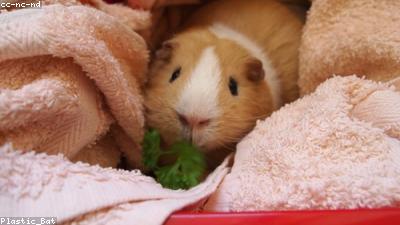
- Parsley: High in Vitamin C and iron. Feed a few sprigs daily.
- Romaine Lettuce: A safe, hydrating leafy green. Much better than iceberg lettuce.
- Tomatoes: Ripe tomato flesh only. Remove the stem and leaves as they are toxic.
Vegetables to Feed in Moderation
- Carrots: High in sugar and Vitamin A. Feed as an occasional treat.
- Kale: High in calcium. Good for variety but not a daily staple.
- Spinach: High in oxalates, can contribute to kidney stones. Feed sparingly.
- Cucumber: Very hydrating and low in sugar.
- Zucchini: Safe and low in calories.
Vegetables to Never Feed
Iceberg lettuce (nutritionally void), Potato (toxic leaves and stems), Onion and garlic (all varieties, toxic), Rhubarb (toxic), Cabbage (can cause gas), Avocado (potentially toxic).
Guinea Pig Pellets: Quality Over Quantity
Pellets should be considered a supplement to, not a replacement for, hay and fresh vegetables. Choose timothy-based pellets fortified with Vitamin C. Avoid mixes with seeds, nuts, dried fruit, or colored bits. Adult guinea pigs should receive approximately 1/8 cup (about 10-15 grams) of pellets per day.
Fruits: Treats in Moderation
Due to their high sugar content, fruits should be reserved for occasional treats. A small piece of fruit once or twice a week is plenty. Safe fruits include apple (remove seeds), strawberries, blueberries, banana (very high in sugar, limit severely), pear, melon, and watermelon. Always remove seeds and pits before feeding.
Foods That Are Toxic to Guinea Pigs
- Chocolate: Theobromine is toxic to small animals
- Onion, garlic, leeks, chives: Allium family is toxic
- Avocado: Contains persin, which is toxic
- Potato and potato tops: Toxic leaves, starchy flesh
- Rhubarb: Leaves are highly toxic
- Dairy products: Guinea pigs are lactose intolerant
- Meat and fish: Completely inappropriate for herbivores
- Nuts and seeds: High fat, choking hazard
- Bread and pasta: No nutritional value
- Corn: Can cause gas, kernels can be a choking hazard
Creating a Balanced Daily Feeding Schedule
A good daily routine for a guinea pig includes: Morning – refresh water, top up hay supply, remove uneaten vegetables. Evening – provide a fresh serving of vegetables (about 1 cup per guinea pig), top up pellets if applicable. Throughout the day – unlimited hay.
Always introduce new foods gradually. When introducing new vegetables, offer only one new item at a time and watch for signs of diarrhea or discomfort.
Hydration: Water Requirements
Fresh, clean water should always be available. Change the water at least once a day and clean the bottle or bowl weekly to prevent algae and bacterial growth.
Special Dietary Considerations
Pregnant or Nursing Guinea Pigs
Pregnant and nursing sows have significantly higher nutritional needs. They may need alfalfa hay and additional Vitamin C. Consult an exotic veterinarian.
Overweight Guinea Pigs
Reduce pellet portions and eliminate fruit treats. Ensure unlimited hay access and increase exercise opportunities.
Frequently Asked Questions
Can guinea pigs eat grass from my lawn?
Yes, as long as the grass has not been treated with pesticides, fertilizers, or herbicides. Avoid grass from roadsides or areas where dogs may have walked.
Do guinea pigs need Vitamin C supplements?
Many veterinarians recommend a small daily Vitamin C supplement (10-30mg) as a safety net. Never exceed 50mg daily without veterinary guidance.
Can guinea pigs eat clover?
In small amounts, yes. Clover is safe but high in calcium and can cause gas. It should not be a regular part of the diet.
A well-fed guinea pig is a happy, healthy guinea pig. By prioritizing unlimited timothy hay, providing daily Vitamin C-rich vegetables, offering quality pellets in moderation, and reserving fruits for rare treats, you will give your cavy the nutritional foundation for a long and healthy life.
- The Foundation: Timothy Hay (80% of the Diet)
- Types of Hay for Guinea Pigs
- Fresh Vegetables: Your Guinea Pig Daily Vitamin C Source
- High Vitamin C Vegetables (Feed Daily)
- Vegetables to Feed in Moderation
- Vegetables to Never Feed
- Guinea Pig Pellets: Quality Over Quantity
- Fruits: Treats in Moderation
- Foods That Are Toxic to Guinea Pigs
- Creating a Balanced Daily Feeding Schedule
- Hydration: Water Requirements
- Special Dietary Considerations
- Pregnant or Nursing Guinea Pigs
- Overweight Guinea Pigs
- Frequently Asked Questions
- Can guinea pigs eat grass from my lawn?
- Do guinea pigs need Vitamin C supplements?
- Can guinea pigs eat clover?

These are all experiences I've gained from keeping guinea pigs, hope they help you~ Feel free to leave a comment if you have questions, I reply to all messages!