Understanding Guinea Pig Behavior: A Complete Guide to Body Language and Training

- Common Guinea Pig Vocalizations and Their Meanings
- 1. Wheeking
- 2. Purring
- 3. Chutting
- 4. Rumbling
- 5. Shrieking
- 6. Whining
- Understanding Guinea Pig Body Language
- 1. Popcorning
- 2. Nose Touching
- 3. Teeth Chattering
- 4. Ear Position
- 5. Freezing
- Basic Training Techniques
- 1. Name Recognition
- 2. Litter Training
- 3. Handling Training
- 4. Target Training
- Common Behavioral Problems and Solutions
- 1. Bar Chewing
- 2. Hiding
- 3. Fighting Between Guinea Pigs
- Behavioral Health Checklist
Understanding guinea pig behavior is one of the most rewarding aspects of pet ownership. These small, social animals have rich emotional lives and communicate through a fascinating combination of vocalizations, body language, and actions. By learning to interpret these signals, you will build a stronger bond with your guinea pig and be better equipped to recognize when something is wrong.
Common Guinea Pig Vocalizations and Their Meanings
Guinea pigs are naturally vocal creatures, and they use different sounds to express their feelings. Here are the most common vocalizations you will hear:
1. Wheeking
Wheeking is the most recognizable guinea pig sound. This high-pitched “wheek wheek” noise usually means your pet is excited, hungry, or wants your attention. Guinea pigs often wheek when they hear the rustle of a plastic bag or see you approaching with food. A wheeking guinea pig is typically happy and healthy, and this sound is a good sign that your pet feels comfortable around you.
2. Purring
Like cats, guinea pigs can purr, but the meaning is quite different. A soft, relaxed purr usually means your guinea pig is content. You might hear this sound when you are gently petting them. However, if the purr is accompanied by a stiff or tense body, it could indicate stress or irritation rather than happiness.
3. Chutting
Chutting consists of short, repetitive “chut chut chut” sounds. This is a sign of curiosity and exploration. Your guinea pig makes this sound when investigating new environments, toys, or interesting scents. It is generally a positive sign that your pet is engaged with its surroundings.
4. Rumbling
Rumbling is a low, vibrating sound that originates from the chest. Male guinea pigs often make this sound during mating behavior or to establish dominance. If you have multiple guinea pigs, you may hear rumbling during social interactions. Single guinea pigs might rumble when playing with toys or bonding with their owners.
5. Shrieking
This loud, piercing sound is an alarm call. A shrieking guinea pig is signaling fear, pain, or extreme distress. If you hear this sound, immediately check your pet for injuries and look for anything in the environment that might be frightening them. This is never a sound to ignore.
6. Whining
Whining indicates annoyance or impatience. Your guinea pig might whine if you are holding them when they want to be put down, or if they are frustrated about something in their environment. It is their way of saying, “I do not like this situation.”
Understanding Guinea Pig Body Language
Beyond vocalizations, your guinea pig communicates constantly through posture and movement.
1. Popcorning
When a guinea pig suddenly leaps into the air with excitement, this is called “popcorning.” Young guinea pigs are especially prone to this behavior, which is a clear sign of pure joy. You will often see popcorning during playtime or when your guinea pig is greeting you.
2. Nose Touching
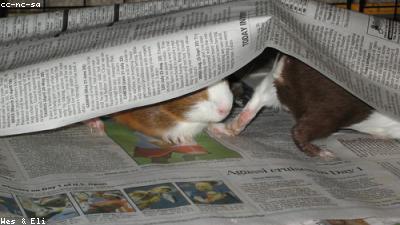
Guinea pigs greet each other by touching noses. This social behavior helps them identify one another and establish social hierarchy. If you have multiple guinea pigs, nose touching is normal and indicates they are getting along.
3. Teeth Chattering
Rapid teeth chattering accompanied by a stiff posture is a warning sign. Your guinea pig is angry, scared, or upset. Give them space when you see this behavior and avoid forcing interaction until they calm down.
4. Ear Position
Ears are excellent mood indicators. Ears perked forward show alertness and curiosity. Ears pressed flat against the head indicate fear or defensiveness. Relaxed, drooping ears suggest your guinea pig feels safe and comfortable.
5. Freezing
When a guinea pig suddenly becomes completely still, this is a natural defense response called freezing. It means they have detected something that makes them cautious. This often happens in new environments or after sudden noises. Give them time to assess the situation and they will usually resume normal activity.
Basic Training Techniques
While guinea pigs are not as easily trained as dogs, they can learn simple behaviors and routines with patience and positive reinforcement.
1. Name Recognition
The most important training is teaching your guinea pig to respond to their name. Call their name consistently before feeding or giving treats for one to two weeks. When they look at you or come toward you after hearing their name, reward them immediately. Most guinea pigs will learn to recognize their names within a few weeks.
2. Litter Training
Guinea pigs have a natural tendency to eliminate in specific corners. You can use this instinct for litter training. Place a small litter box in the corner where your guinea pig usually goes to the bathroom. Add some of their droppings to the box to establish the scent. With consistency, most guinea pigs will learn to use the litter area regularly.
3. Handling Training
Many guinea pigs are nervous about being picked up. Start by letting them sniff your hand and offering small treats from your palm. Gradually progress to gently supporting their chest and hindquarters. Keep handling sessions short and positive. Over time, most guinea pigs will become comfortable with being held.
4. Target Training
You can teach your guinea pig to touch a small object, such as a popsicle stick, with their nose. Hold the target near their nose and reward them when they investigate or touch it. This simple trick builds the foundation for more complex training and strengthens your communication with your pet.
Common Behavioral Problems and Solutions
1. Bar Chewing
Chewing on cage bars usually indicates boredom, a desire for attention, or an undersized cage. Solutions include providing a larger living space, adding more toys and tunnels, and increasing daily out-of-cage time. A well-stimulated guinea pig with adequate space rarely develops this habit.
2. Hiding
New guinea pigs often hide for the first few days or weeks. This is normal as they adjust to their new home. Do not force them out of their hideout. Instead, sit near the cage, talk softly, and offer treats to build trust. Within one to four weeks, most guinea pigs will become more confident.
3. Fighting Between Guinea Pigs
If you have multiple guinea pigs, occasional chasing and light nipping is normal social behavior. However, if you notice blood, persistent aggressive chasing, or one guinea pig being repeatedly cornered, they may not be compatible. In this case, you may need a larger cage or separate living arrangements.
Behavioral Health Checklist
The following behavioral changes may indicate health problems and should be taken seriously:
- Sudden loss of appetite or refusal to eat for more than 24 hours
- Withdrawal from social interaction and excessive hiding
- Unusual vocalizations such as constant shrieking or whining
- Sudden aggression or unusual lethargy
- Changes in elimination habits
Understanding guinea pig behavior takes time and observation, but the reward is a deeper connection with your pet. Every guinea pig has a unique personality, and learning to read their signals will help you provide better care and enjoy a more fulfilling relationship.
- Common Guinea Pig Vocalizations and Their Meanings
- 1. Wheeking
- 2. Purring
- 3. Chutting
- 4. Rumbling
- 5. Shrieking
- 6. Whining
- Understanding Guinea Pig Body Language
- 1. Popcorning
- 2. Nose Touching
- 3. Teeth Chattering
- 4. Ear Position
- 5. Freezing
- Basic Training Techniques
- 1. Name Recognition
- 2. Litter Training
- 3. Handling Training
- 4. Target Training
- Common Behavioral Problems and Solutions
- 1. Bar Chewing
- 2. Hiding
- 3. Fighting Between Guinea Pigs
- Behavioral Health Checklist

These are all experiences I've gained from keeping guinea pigs, hope they help you~ Feel free to leave a comment if you have questions, I reply to all messages!