Guinea Pig Smell Control: Why Clean Cages Don’t Stink
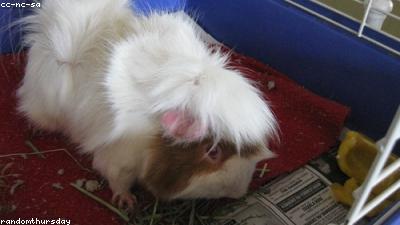
A clean guinea pig cage smells of hay, not ammonia — if yours stinks by day three, the problem is usually the bedding choice or the vegetable-to-hay ratio, not the pigs.
The four levers
- Bedding: paper-based or aspen, 2–3 cm deep, spot-cleaned daily. Never pine or cedar shavings (aromatic oils irritate lungs). Fleece liners with an absorbent underlayer work brilliantly once you have a wash routine.
- Spot cleaning: picking poos and wet patches daily costs two minutes and doubles the interval between full cleans.
- Full cleans weekly: hot water and vinegar; avoid scented cleaners — pigs’ respiratory systems hate aerosols.
- Diet balance: soggy smelly poos trace back to too much fruit or veg imbalance more often than to cage hygiene.
When smell means sickness
A sudden strong urine smell, or a pig that smells of yeast, points to urinary infection or skin problems — vet territory, not cleaning territory. Boys also have scent glands that are mildly musky by design; that’s normal.
Frequently Asked Questions
How often should I clean a guinea pig cage?
Spot-clean daily, full-clean weekly, and wash fleece liners twice weekly for two pigs. A cage that smells within days needs deeper bedding or more frequent spot cleans, not harsher chemicals.
What’s the best odor-control bedding?
Paper-based bedding (e.g. kiln-dried recycled paper) controls ammonia best; aspen is the safe wood option. Cedar and untreated pine are out.
Do male guinea pigs smell more?
Slightly — boars have scent glands and grease more. Regular grooming and cage cleaning manage it; a sudden strong smell is a vet check.
Can I use baking soda in the cage?
Sprinkling under (not on) bedding in small amounts is generally considered safe, but daily spot-cleaning achieves more without any inhalation risk.
Keep Reading

These are all experiences I've gained from keeping guinea pigs, hope they help you~ Feel free to leave a comment if you have questions, I reply to all messages!