Guinea Pig Health Checklist: Weekly Checks That Catch Problems Early
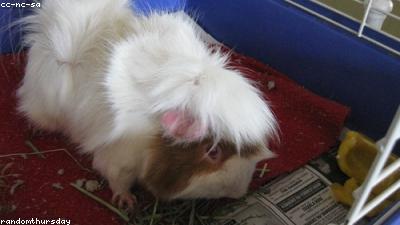
Guinea pigs hide illness by design — a weekly five-minute check catches the weight loss, lumps and overgrown teeth that pigs won’t tell you about.
The five-minute weekly check
- Weigh: the single most valuable habit. Losses over 50 g in a week warrant a vet call.
- Eyes and nose: clear and dry — discharge means respiratory or dental trouble.
- Ears and skin: check for crusty ears (mites) and bald patches.
- Feet: look for overgrown nails and bumblefoot sores on the pads.
- Teeth: watch chewing symmetry; drooling or sloppy eating = dental appointment.
- Bottom: clean, dry, no flystrike risk — daily in summer.
The emergency list
Not eating for 12+ hours, no poos for 12 hours, bleeding, a fly egg presence, laboured breathing or a sudden hunched, fluffed posture are same-day emergencies. GI stasis kills pigs in 24–48 hours and is very treatable if caught early.
Frequently Asked Questions
How often should I weigh my guinea pig?
Weekly for healthy adults; daily for ill, old or new pigs. Weight is the earliest reliable illness signal — appetite changes lag behind weight loss.
What are signs of a sick guinea pig?
Eating less, smaller/fewer droppings, hunched posture, puffed-up stillness, discharge from eyes or nose, and hiding when normally forward. Any combination warrants a vet visit.
How do I find a guinea pig-savvy vet?
Ask specifically: ‘how many guinea pigs do you treat monthly?’ Exotic or ‘small furries’ listed as a specialism is the green flag; ‘we see rabbits mostly’ is the warning one.
Are mites serious in guinea pigs?
Very — sarcoptic mites cause intense pain, seizures in bad cases, and are contagious. Crusty skin and scratching respond well to vet-prescribed treatment; never use dog products.
Keep Reading

These are all experiences I've gained from keeping guinea pigs, hope they help you~ Feel free to leave a comment if you have questions, I reply to all messages!