Guinea Pig Exercise: Floor Time, Tunnels and Enrichment Ideas
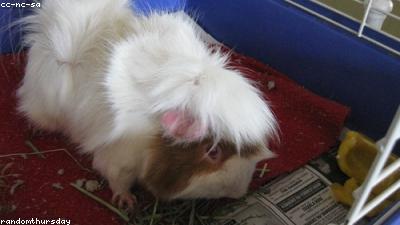
Cage-bound pigs get bored, bored pigs get fat and depressed — daily floor time is the cheapest health intervention there is.
A workable routine
- Floor time: 30–60 minutes daily in a pig-proofed room (cables lifted, gaps blocked, no dogs present).
- Tunnels and hides: prey animals love covered routes — cardboard tubes cost nothing.
- Foraging feeders: hide greens in toilet-roll tubes or scatter-feed herbs instead of bowl-feeding everything.
- Cardboard castles: free, replaceable, chewable — the perfect pig furniture.
Reading engagement vs stress
Popcorning (mid-air hops), rumble-strutting and exploratory wheeling are engagement. Frozen statues, teeth chattering at your hand, or hiding permanently are stress — usually dogs, cats or TV volume nearby. Pigs settle fastest in rooms the family actually uses.
Frequently Asked Questions
How much exercise do guinea pigs need?
At least an hour of floor time daily plus enrichment inside the cage. Pigs in tiny cages without floor time reliably show lethargy and weight gain.
Do guinea pigs need a wheel?
No — wheels and balls injure guinea pig spines. Floor space and tunnels are their exercise, full stop.
What toys do guinea pigs actually like?
Tunnels, hay-stuffed cardboard tubes, willow balls and cardboard hideouts. They ignore most plastic ‘small pet’ toys sold in shops.
Can guinea pigs roam the house free-range?
With serious proofing (cables, gaps, other pets, cold floors) some owners manage it — but a large dedicated pen is safer and easier to clean.
Keep Reading

These are all experiences I've gained from keeping guinea pigs, hope they help you~ Feel free to leave a comment if you have questions, I reply to all messages!