Guinea Pig Hay Guide: Timothy vs Meadow vs Orchard Compared
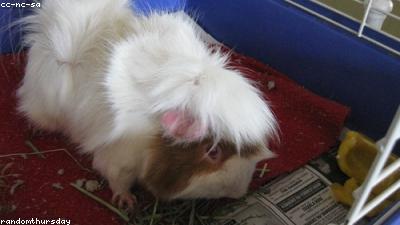
Hay is 80% of a guinea pig’s diet and the single best investment in their dental and gut health — but the hay aisle has more choices than most beginners expect.
The main hays compared
| Hay | Best for | Notes |
|---|---|---|
| Timothy | Adults — daily staple | High fibre, moderate calcium; the default choice |
| Meadow | Variety; adults | Mixed grasses; softer, less consistent |
| Orchard grass | Allergy-prone households | Timothy-like without timothy pollen |
| Alfalfa | Pregnant/nursing sows, pups under 6 months | Too calcium-rich for healthy adults — causes bladder sludge |
Quality markers that matter
Hay should smell grassy and sweet, never musty; be green, not yellow-brown; and contain long strands — chopped short hay loses the chewing time that grinds down continuously growing teeth. Buy in bulk from horse-feed suppliers for better quality at half the pet-shop price.
Frequently Asked Questions
How much hay does a guinea pig eat daily?
Roughly a body-sized pile per pig per day — most owners budget 100–200 g weekly per pig. Unlimited access is the rule; hay is never rationed.
Is alfalfa hay bad for guinea pigs?
For healthy adults, yes as a staple — its calcium load contributes to bladder stones and sludge. It’s correct for growing pups and pregnant sows only.
Can guinea pigs eat just pellets and vegetables?
No — hay provides the long-strand fibre that keeps gut motility going and wears down teeth. Without it, dental disease and GI stasis follow within months.
How do I store hay so it stays fresh?
Cool, dry, dark, with airflow — a cardboard box or breathable bag beats sealed plastic, which traps moisture and invites mould.
Keep Reading

These are all experiences I've gained from keeping guinea pigs, hope they help you~ Feel free to leave a comment if you have questions, I reply to all messages!